
|
|
|

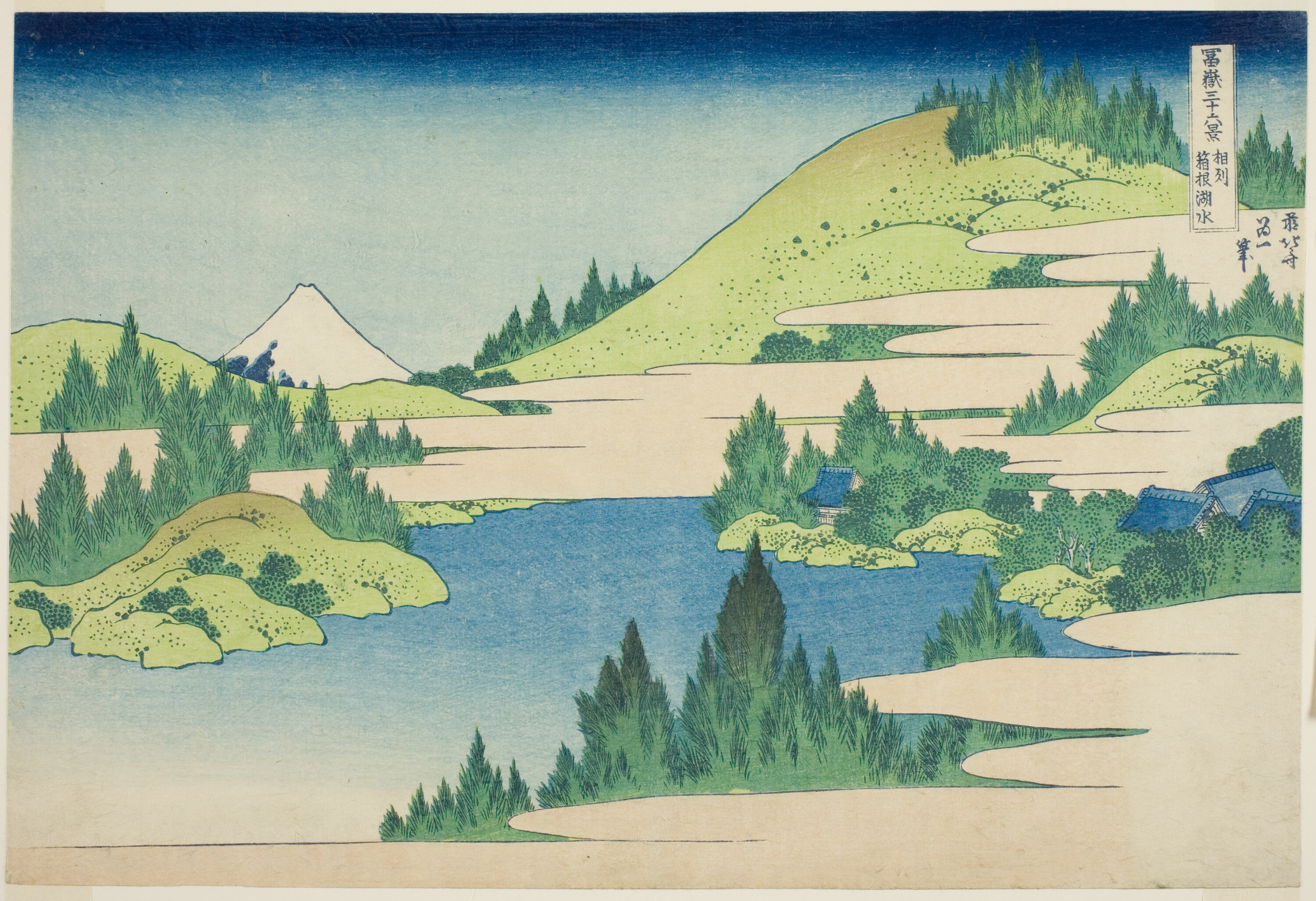
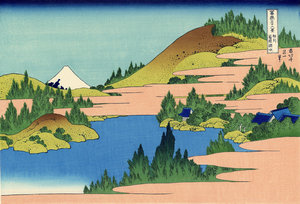
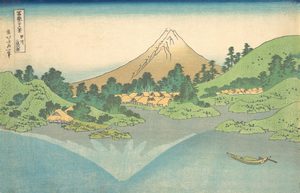
Кацусика Хокусай. Тридцать шесть видов Фудзи: № 28. Озеро в Хаконе в провинции Сагами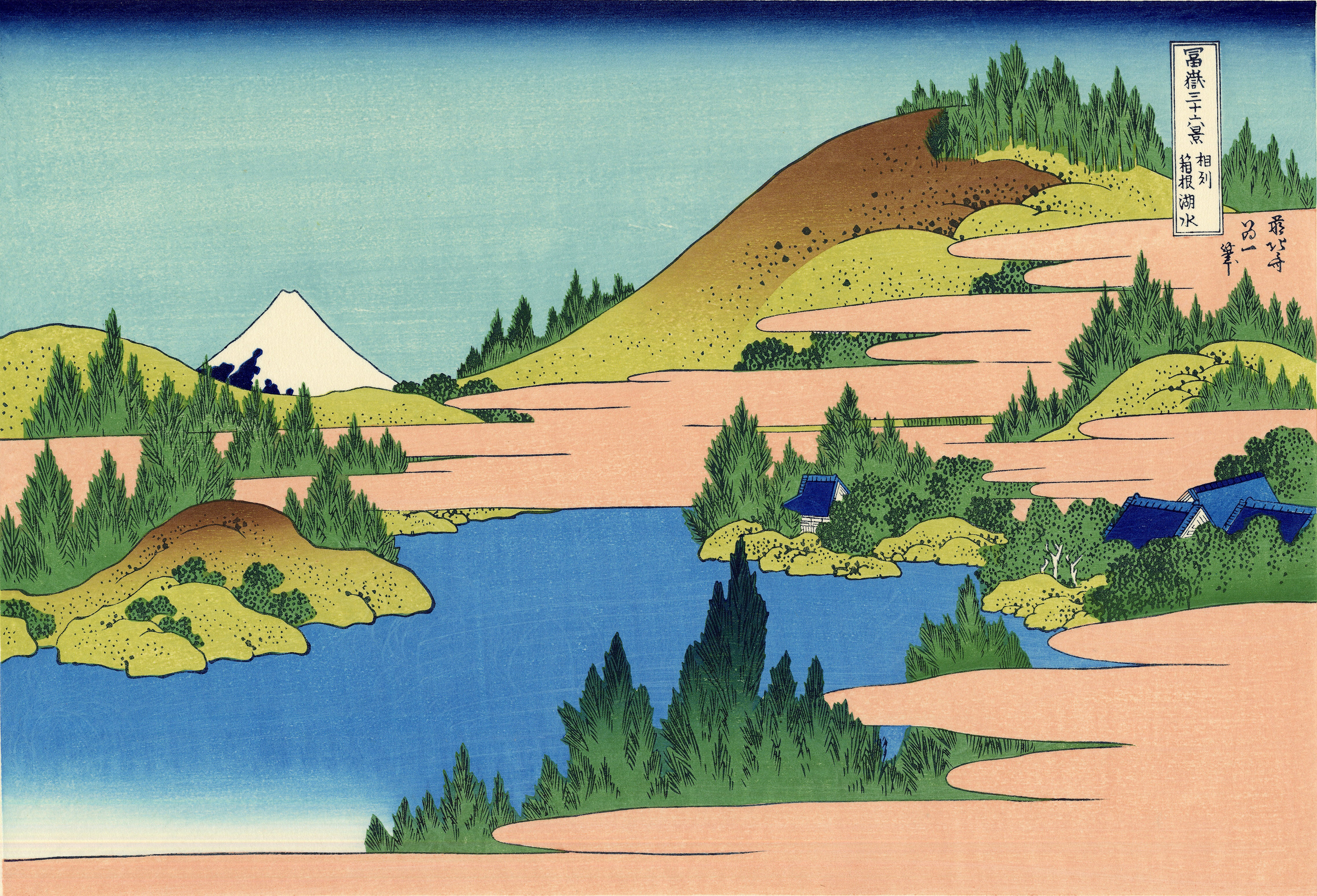
Katsushika Hokusai. The Lake at Hakone in Sagami Province, from the series Thirty-six Views of Mount Fuji
冨嶽三十六景 相州箱根湖水The Lake at Hakone in Sagami Province (Sōshū Hakone kosui), from the series Thirty-six Views of Mount Fuji (Fugaku sanjūrokkei)Artist: Katsushika Hokusai (1760–1849)Period: Edo period (1615–1868)Date: ca. 1830–32
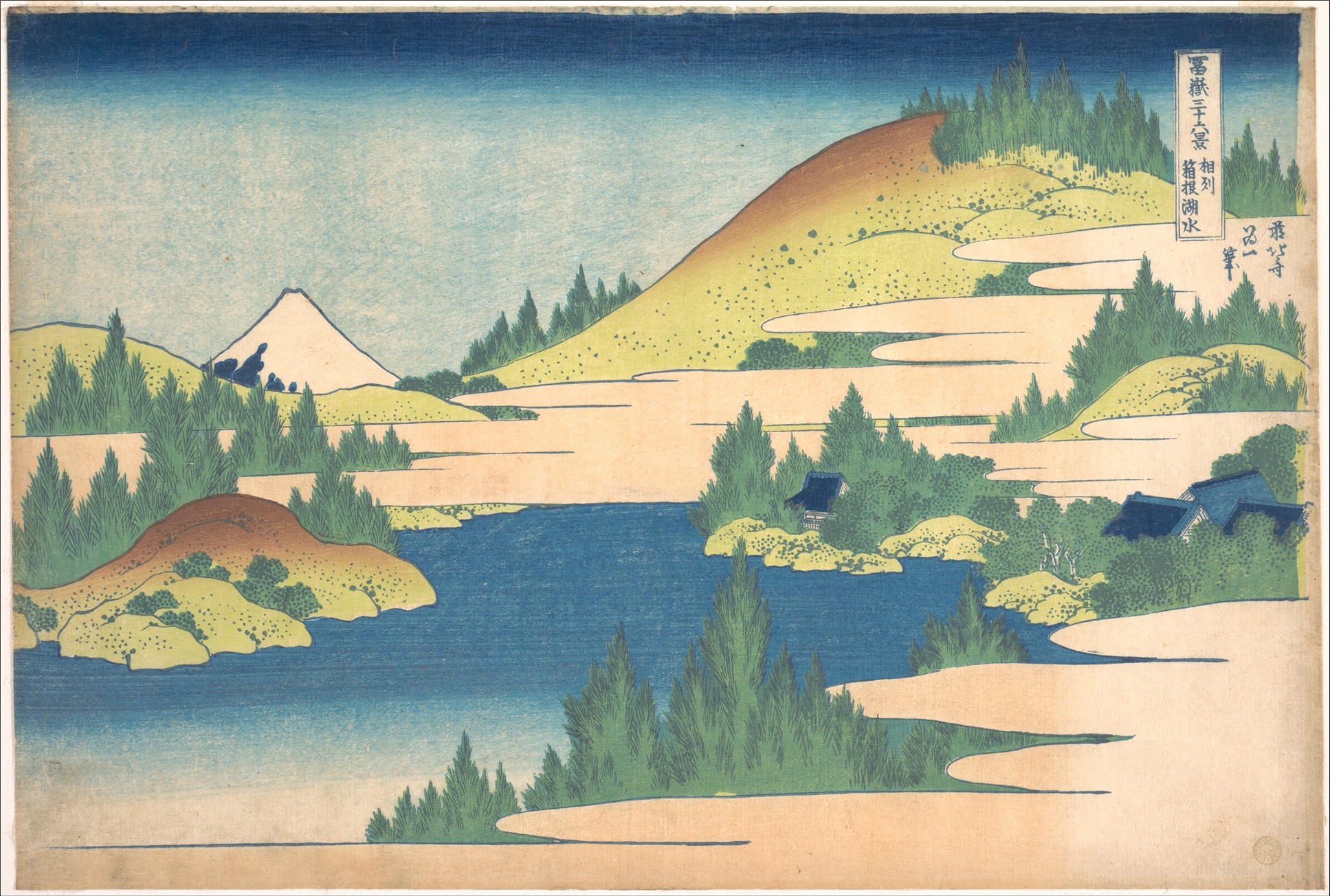
Unlike the soft coloration of the aizuri print, this image dazzles with its bright, clear tones and brilliant light effects. Hokusai makes use of the cloud form common to traditional Japanese prints, the suyari gasumi, as a framing device to draw attention to the mountain. (metmuseum)
Lying to the east of Fuji, the mountainous region near Hakone, with peaks of nearly 4000 feet, was the most difficult area for travelers on the Tökaidö Road. In the 20 miles between the Odawara and Mishima stations, the road rose and fell, passing Lake Ashinoko at a high altitude and also Hakone station. In 1618, a checkpoint (sekisho) or barricade was established at Hakone to inspect travelers, especially women and young maidens, who underwent stringent identity checks. The shogunate was especially concerned about preventing the wives and daughters of local daimyö from escaping Edo, where they were obliged to reside as virtual hostages under the policy of alternate attendance (sankin-kötai). This required the daimyö to spend a year in Edo at the court, then a year on his own lands – but his family had to remain in Edo as surety for his loyalty. To pass the checkpoint, both men and women had to show their travel permits, a kind of passport issued by their village or town officials. In this print, the deep blue waters of the high Lake Ashinoko lap the rounded hills of yellow-green. To the left of the brown mountain, Fuji, covered with snow, looms against the blue sky. Its perfect conical shape contrasts with the rolling shapes of the surrounding region. The Hakone shrine is at the right. The composition is one of only a few works with no human or animal figures. The overuse of decorative clouds somewhat impairs the dynamic views of the site. The key-block was printed in blue. (The Asian Art Museum of San Francisco, HOKUSAI AND HIROSHIGE – Great Japanese Prints from the James A. Michener Collection, Honolulu Academy of Arts: The Asian Art Museum of San Francisco, 1998 Page 88. Cat. 39)
Hakone was one of the most important stations on the Tökaidö (“East Sea Road”). Its high mountains made this a particularly difficult section to traverse, and all traffic was carefully monitored at a government checkpoint. The region is famous for its view of Mount Fuji beyond Lake Ashi, shown here partially shrouded in mist. Although the pass usually was bustling with activity, Hokusai presents a mystical landscape devoid of human presence, except for the sacred Hakone shrine nestled in the trees. The rounded hills, mineral colors, and suyarigasumi stylized clouds are reminiscent of traditional yamato-e (literally “Japanese-style painting”), which dates back to the Heian period (794-1192). The soft mood of the yamato-e landscape contrasts with the sharp cone of Mount Fuji, and Hokusai may intentionally have utilized this style to add drama to his depiction of the mountain. “Hokusai’s Summit: Thirty-six Views of Mount Fuji” (09/24/2009-01/06/2010)
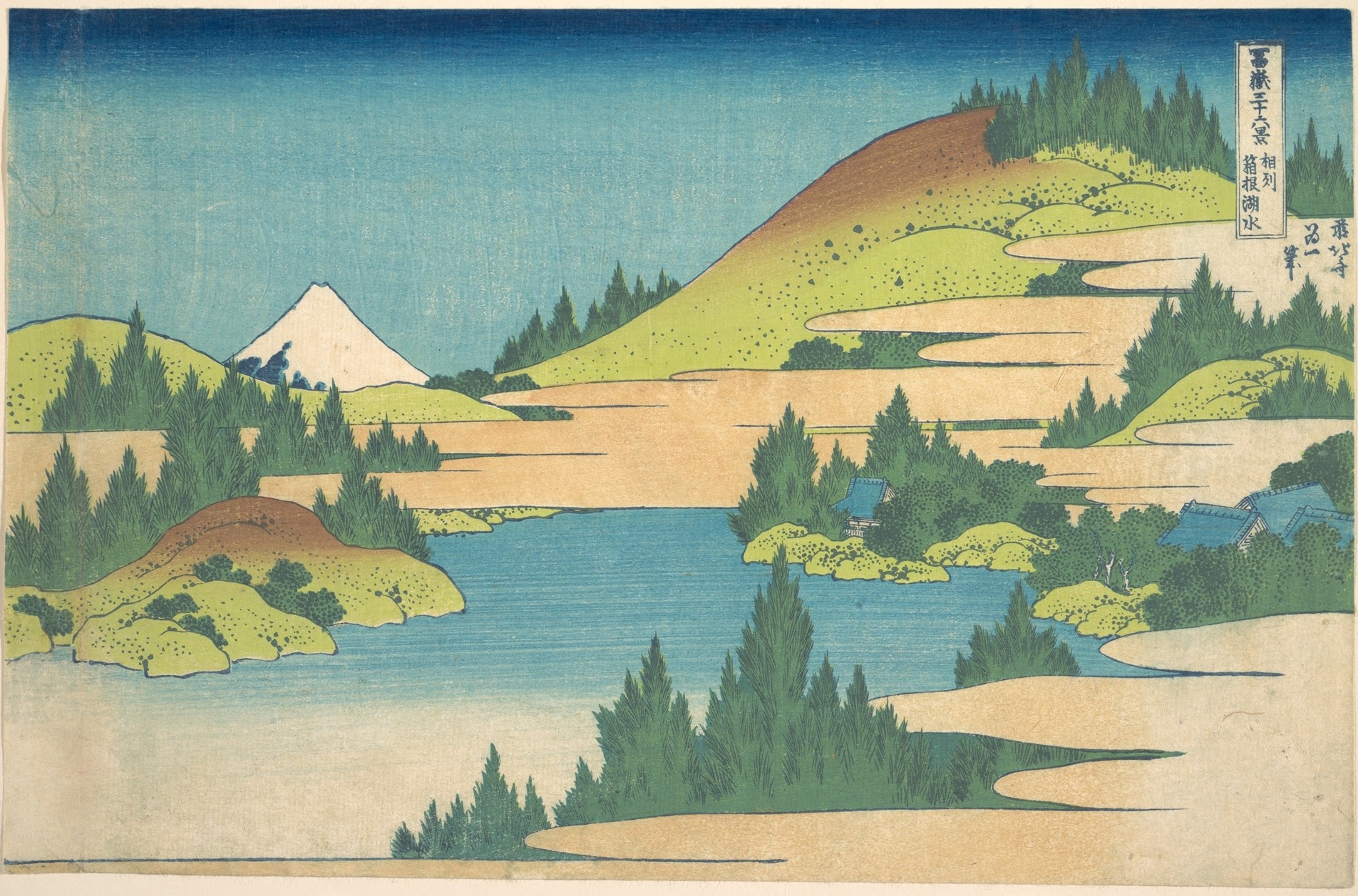
Katsushika Hokusai. The Lake at Hakone in Sagami Province, from the series Thirty-six Views of Mount Fuji
Озеро в Хаконе в провинции Сагами
Хокусай рисует вершину горы Фудзи в отдалении, за озером Асиноко в Хаконе. Она скромно белеет среди других гор. Многие предметы второго плана теряются и пропадают в тумане. Художник пытался отразить личные чувства, некий момент сопереживания природе. Единство и гармония пронизывают этот пейзаж. Этому впечатлению способствует также общий декоративный строй гравюры, порожденный ощущением единства мира и стремлением художника к колористическому сопоставлению планов. Именно декоративность сглаживает эмоциональное напряжение, заставляет нас любоваться ритмическим пересчетом кустов криптомерии, совершенством силуэта Фудзи, стройностью и логической завершенностью всей структуры листа. Хокусай подчиняет главной цветовой ноте весь строй произведения, подчеркивая самостоятельную значимость, таящуюся в каждом явлении природы. Он передает глубину пространства, уходящего вдаль по диагонали, за пределы изобразительной плоскости, а также искусно использует давний принцип цветовой перспективы, работая тоном и сопоставляя более густо окрашенные плоскости. Характерные для старых мастеров приемы построения пространства, которые выражаются в линиях туманов на переднем и втором планах листа, он совмещает с европейской линейной перспективой. А привычную для дальневосточной живописи высокую точку зрения сочетает с естественной.
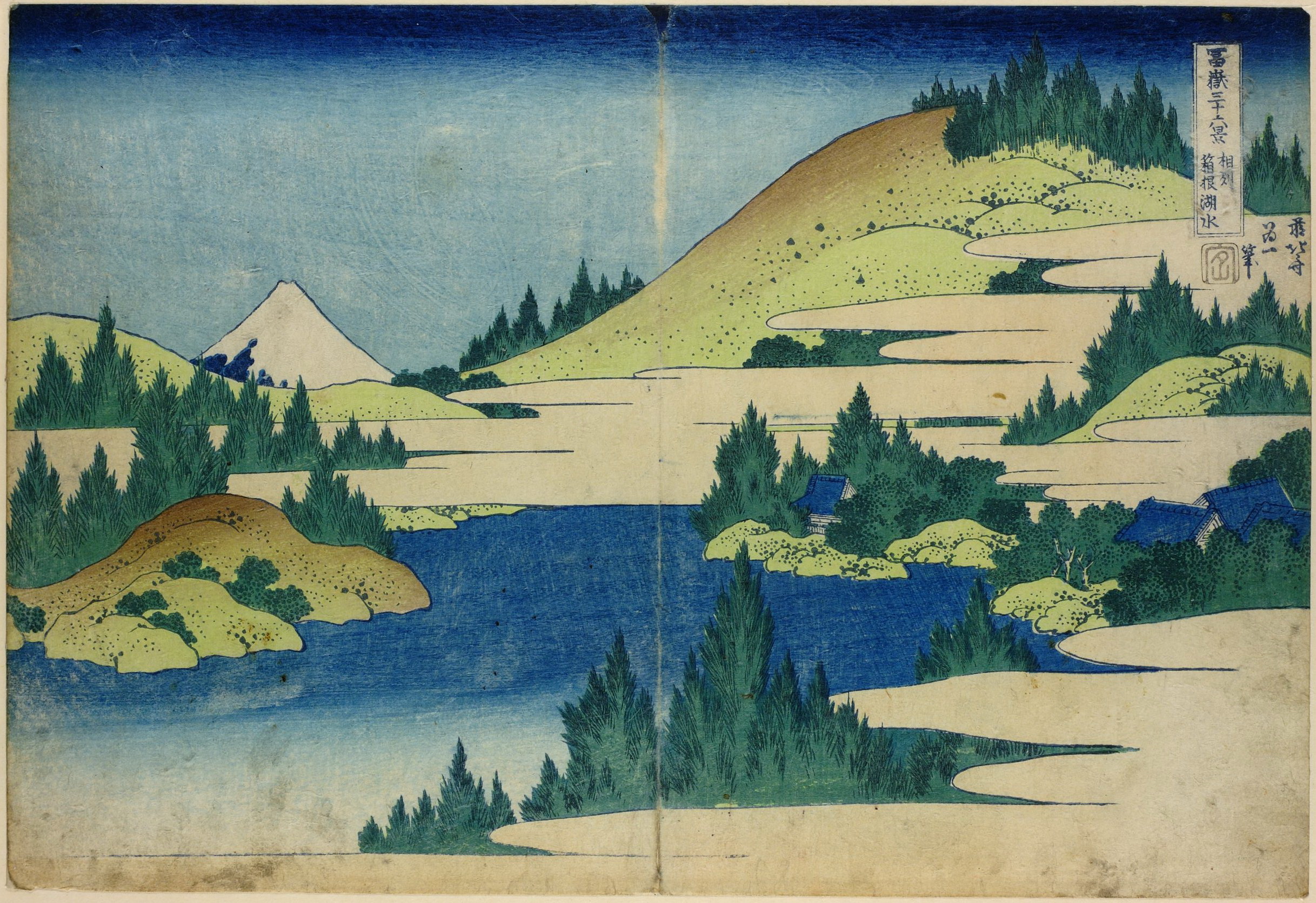
Katsushika Hokusai. The Lake at Hakone in Sagami Province, from the series Thirty-six Views of Mount Fuji
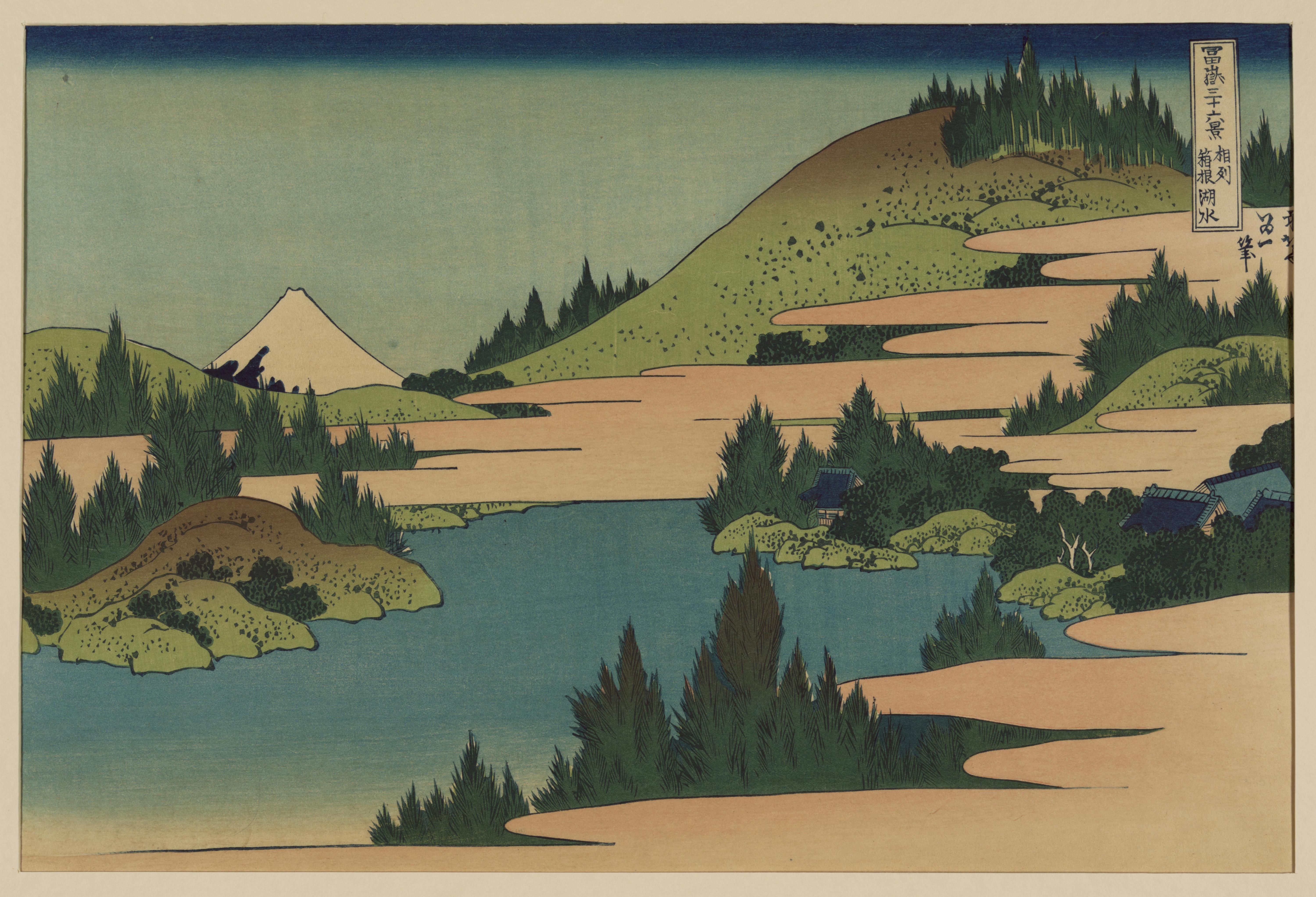
Katsushika Hokusai. The Lake at Hakone in Sagami Province, from the series Thirty-six Views of Mount Fuji
Katsushika Hokusai. The Lake at Hakone in Sagami Province, from the series Thirty-six Views of Mount Fuji
Katsushika Hokusai. The Lake at Hakone in Sagami Province, from the series Thirty-six Views of Mount Fuji
Все 46 гравюр серии «Тридцать шесть видов Фудзи» | Thirty-six Views of Mount Fuji | 富嶽三十六景 | Fugaku Sanjūrokkei
10 апреля 2023, 14:55
0 комментариев
|
Партнёры
|






Комментарии
Добавить комментарий